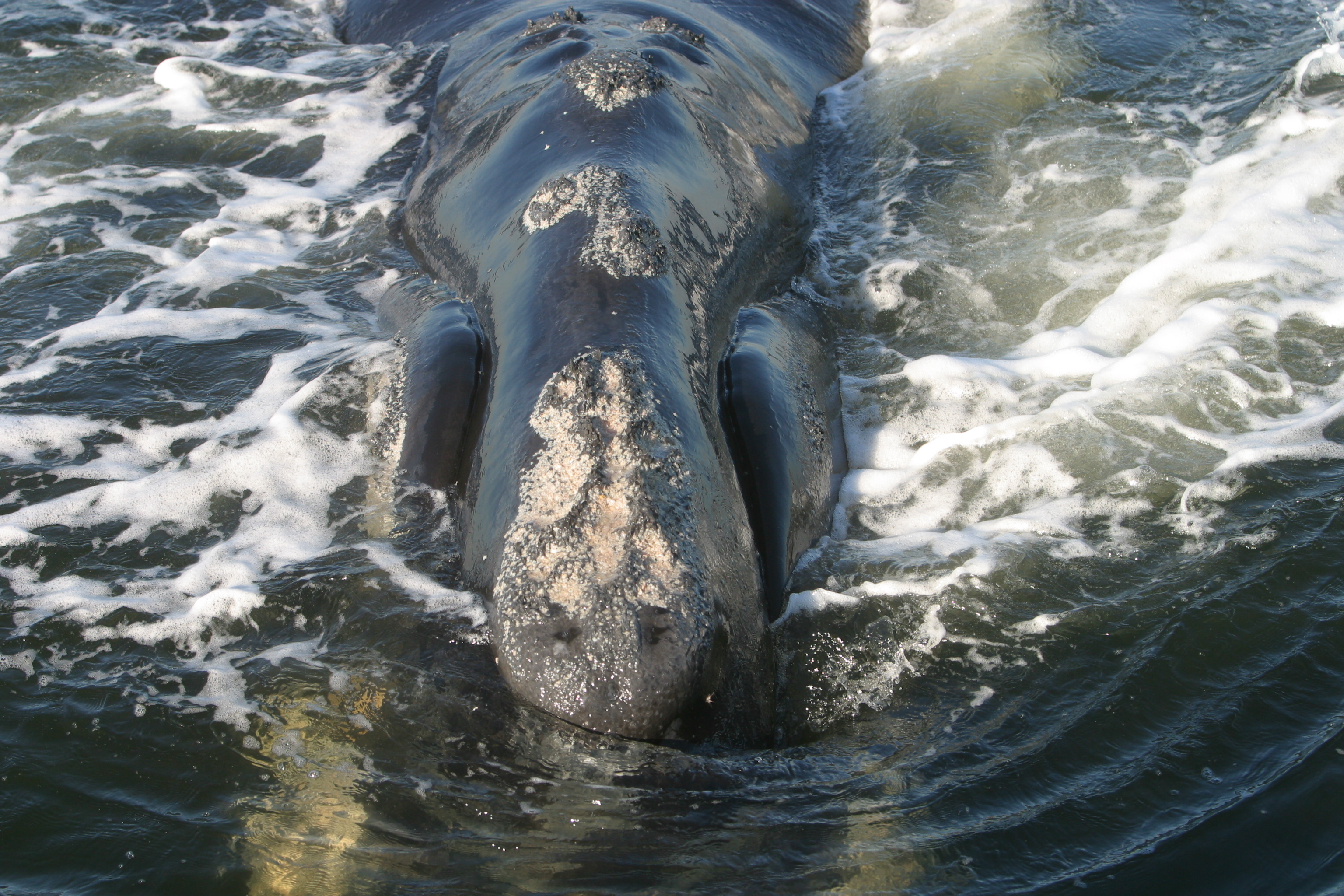
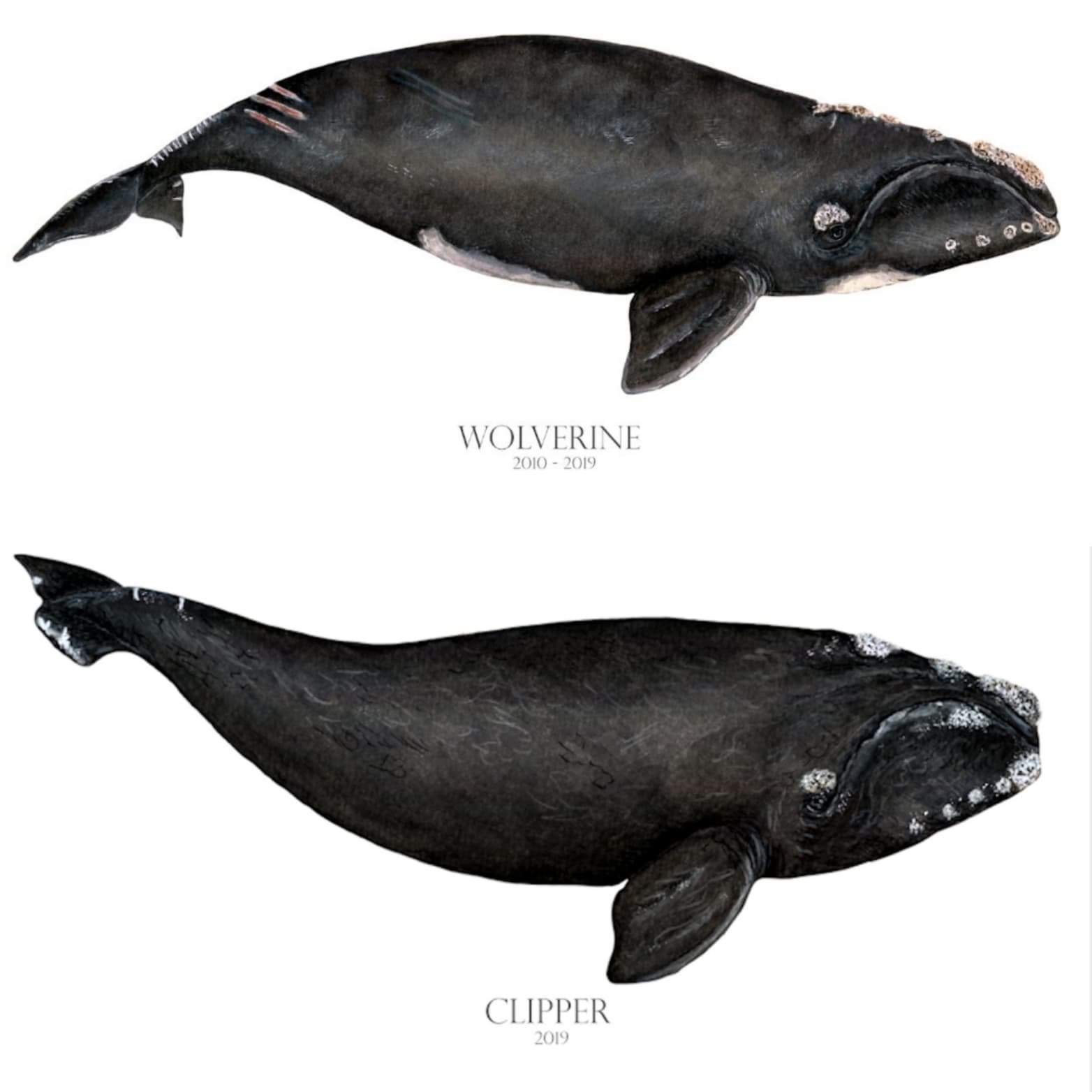
The National Fish and Wildlife Foundation (NFWF) and the National Oceanic and Atmospheric Administration (NOAA) have announced an initiative funded by nearly $18.3 million in grants. This initiative, part of the New England Gear Innovation Fund (NEGIF), is focused on developing innovative fishing gear to reduce the risk of gear entanglement for North Atlantic right whales, a critical step in both marine conservation and in meeting the needs of New England’s lobster fishermen.
A key aspect of this shift is the move away from vertical buoys and endlines on lobster gear, specifically in New England fisheries.

Despite the potential benefits, the path to adopting these new technologies is not without obstacles. New England lobstermen, informed by their historical experiences, have expressed concerns about the new gear. Their apprehensions range from safety issues and the high costs associated with ropeless gear, to potential gear loss, doubts regarding the effectiveness of virtual gear marking, and fears of business disruption. These concerns reflect the complex relationship between their livelihoods and traditional fishing methods. In a blog post for the Cape Cod Commercial Fisherman’s Alliance, John Pappalardo explains,
“Our historic fishing grounds are not a simplistic, single-minded place. Tens of thousands of men and women pursue a living there in different ways. Some drop pots on the bottom, some drag nets behind their boats, some play out lines with hooks, some line up gillnets. Strong currents and varied bottom create amazing dynamics. Without lines and buoys to serve notice where gear is set, what fishermen call “gear conflict” will become much more serious, leading to many more dangerous moments from running into and over different types of gear. “Conflict” is a polite term for the inevitable life-threatening and economically catastrophic confrontations.”
Others hesitant to adopt ropeless fishing gear (also known as on-demand fishing gear) cite additional concerns, summarized below:
- Cost: The expense associated with ropeless gear is a significant concern.
- Gear Loss: There are fears that ropeless fishing gear could lead to increased gear loss and ghost gear, especially considering that the current average gear loss in Northeast lobster fisheries is about 12% annually per fisher.
- Virtual-Gear Marking: Doubts exist about the effectiveness of virtual-gear marking on a large scale. Notably, NOAA is currently using a system they developed with Earthranger, rather than the rmwHUB, which is preferred by most ropeless gear manufacturers.
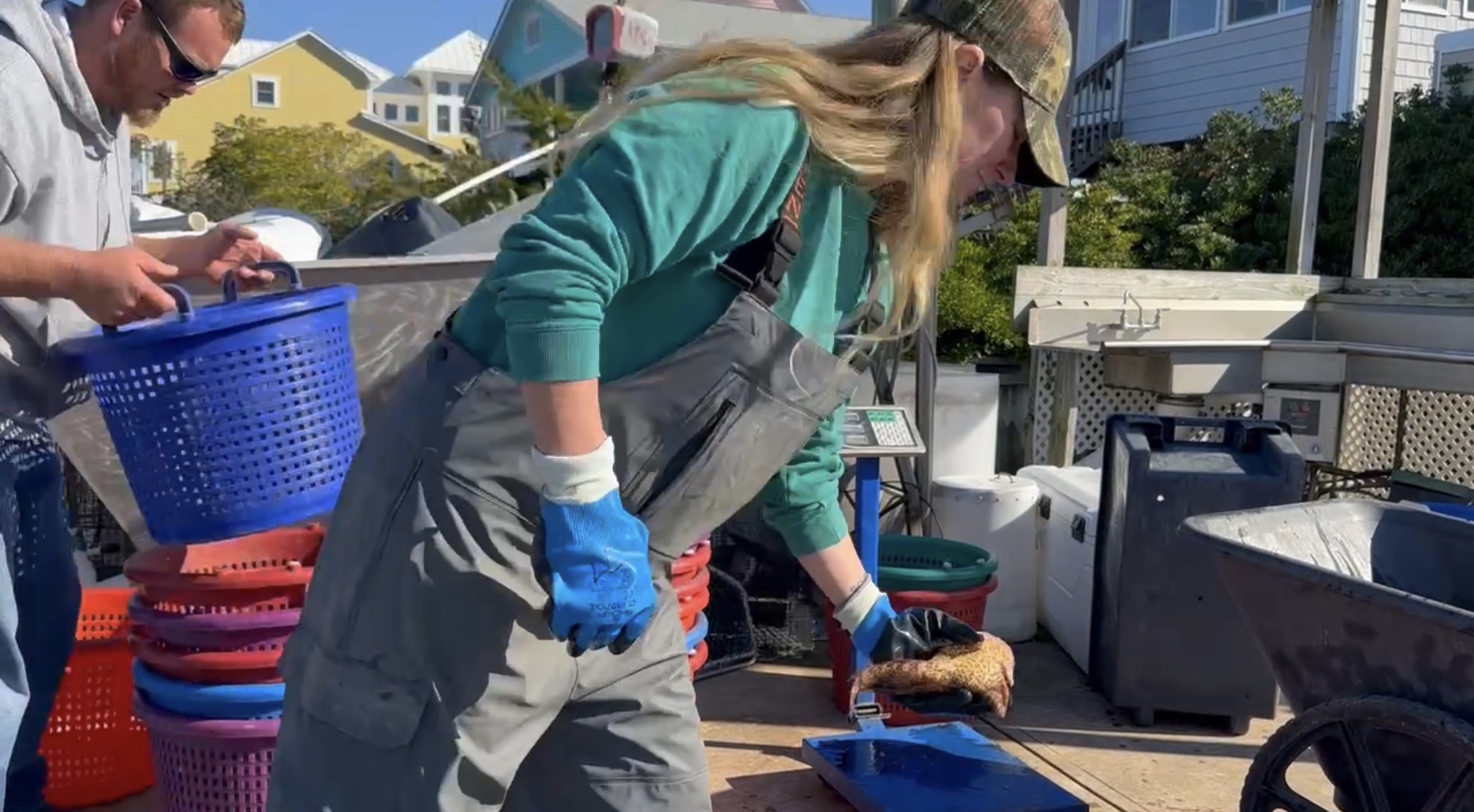
- Business Impact: Fishermen worry that the adoption of ropeless gear could jeopardize their businesses and disrupt their way of life, with the additional time required to learn how to use and to operate this gear and its cost being the primary concerns. Numerous small owner-operated businesses, often operating on narrow profit margins, could be significantly impacted by these developments.
- Safety Issues: Risks associated with entanglement in vertical lines are well-known and can lead to severe injuries or fatalities. The presence of such lines on boats is also considered crucial for rescuing lobstermen who are pulled overboard.
A common question from both fishermen and enforcement officers concerns the need for gear marking and whether or not various types of gear need to use a uniform ‘language’ for easy enforcement. This was the subject of a three-day long invitation-only workshop held by NOAA in November just outside of Boston. The “On-Demand Interoperability Workshop” examined these issues at a local and global scale. Interestingly, the workshop posed questions about standardization of acoustic technologies, which alarmed many manufacturers as well as purchasers of these devices. Given that many of these gear technologies are still in their early stages, with ongoing feedback being gathered from the fishing community, implementing rigid standards at this point could significantly impede the progress made in respecting the rights of communities to choose from a range of solutions. Guidelines, at this juncture, are more advantageous than fixed standards, as they offer the necessary flexibility to accommodate evolving technologies and diverse community needs, fostering innovation and adaptation without restricting the development of these emerging solutions.
An essential solution for resolving gear conflicts lies in the development of virtual gear marking technology, which is currently in its third year of testing in real fishing environments. This technology holds the promise to revolutionize the way ropeless fishing gear is detected and deployed, not only by lobstermen but also by other fishermen and aquaculture operations that may use the entire water column.

The rmwHUB project was funded for two years by the Marine Mammal Commission and was designed and built to be scalable and supportive of any fishery on earth, regardless of their ability to fund extensive infrastructure. This means that small-scale artisanal fisheries operating anywhere on earth can also use the same simple application that lobstermen and scallop draggers use in New England, without experiencing extensive delays.

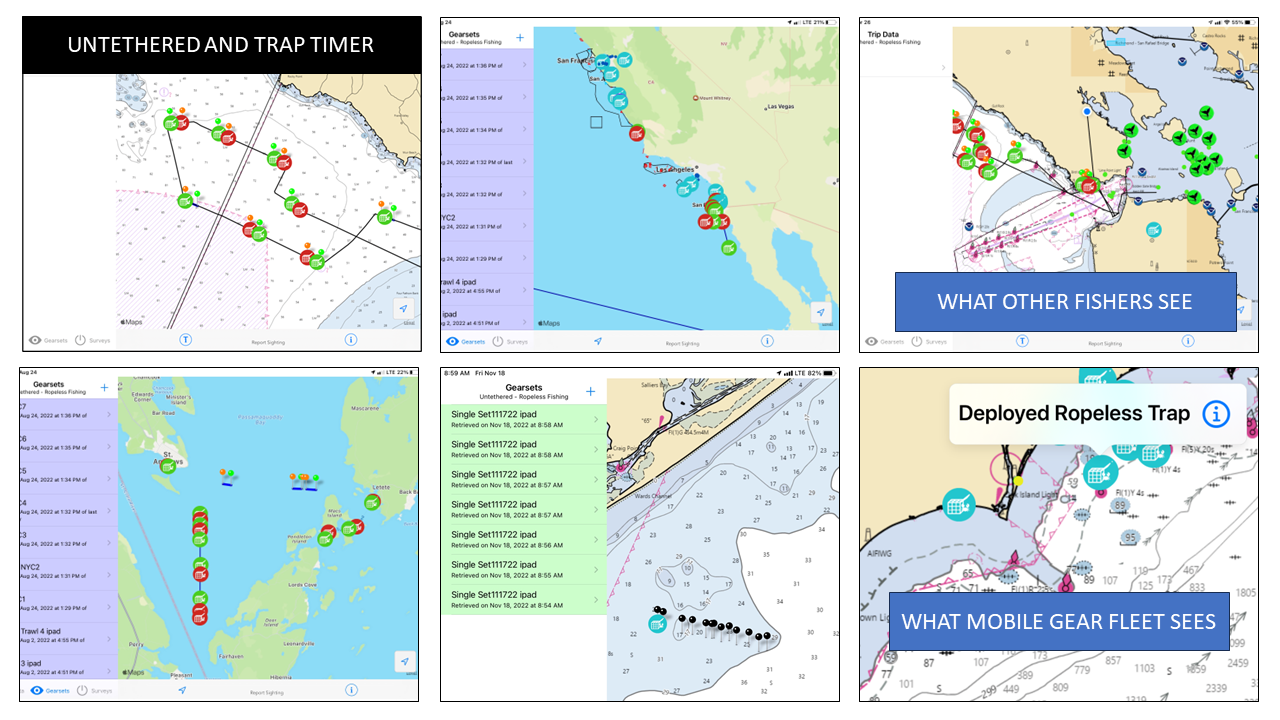
Currently, the RMW shares data about deployments of ropeless gear across a simple but key peice of trusted technology known as the rmwHUB. This allows anonymous data to be viewed in a manufacturer’s application, but also in a non-manufacturer’s application.

Any person who signs up for a Spotter account with the company Conserve.iO are then invited to join their regional fishery via email, and can then download an application to their iPhone or iPad to view any gear deployed within their fishing grounds. Further, for those fisheries also working alongside, near, or on top of deployed ropeless gear, it offers them the chance to also mark their gear as being deployed.

The Untethered App also offers a “Whale Alert” layer, which shares information about recent confirmed sightings or observations of whales, as well as a layer that clearly displays Marine Protected Areas and SMZs. The application gives fishermen real time alerts if they are nearing or entering these zones as an extra precautionary feature to protect both fishermen and marine life in these areas.
Data Ownership; Collecting only what is needed
The RMW is committed to treating fishermen’s data as intellectual property. We focus on safeguarding this sensitive information by keeping it all anonymous and we encourage others venturing into this field to utilize practices in data management that are responsible and respectful toward the fishing industry.
Currently, all of the data associated with fishing operations is kept safely and privately within the databases housed individually by manufacturers and only shared on an as-needed basis with enforcement. By emphasizing the value of fisher data as intellectual property, we prioritize the protection of sensitive information, promoting responsible data management practices respectful of the fishing industry.

The Ropeless Manufacturer’s Working Group has set forth guiding principles for our virtual gear marking and interoperability initiative.
- Fishers should have a diverse range of on-demand gear options to suit various fishing conditions and requirements, with efforts to standardize gear accommodating existing systems that fishermen have already purchased or indicated a strong preference for.
- Interoperability between different manufacturers’ devices should be facilitated through cloud-based systems like the rmwHUB, allowing for gear conflict resolution while encouraging gear innovation.
- Acoustic interoperability is not currently required, except possibly for enforcement simplicity. This can be addressed through a universal deck box for multiple manufacturers, maintaining gear diversity. This deckbox is being developed with NFWF funding and a collaboration between RMW members and others.
- Chartplotter support for on-demand fishing gear is feasible and desirable, requiring development and implementation of NMEA standards to progress. The RMW is currently working on a Chartplotter Standard.
- The complexity and cost of gear should be balanced against fishers’ needs to minimize economic and operational impacts, ensuring gear is both enforceable and user-friendly.
Interoperability Considerations for our Guidelines:
- Cloud-based gear marking:
- Cloud-based gear marking systems like the rmwHUB provide interoperability
- Gear marking accuracy:
- Virtual gear marks may include an estimated accuracy
- Cloud-based connectivity:
- For cloud-based systems to work in real-time, offshore connectivity is required, however many lower-density fisheries may be able to operate without the need for real-time data
- Enhanced gear marking accuracy:
- Several systems have already implemented methods to enhance the geolocation accuracy of virtual gear marking on the seafloor
- Minimize data collection to what is needed and keep it private:
- To respect the data rights of fishers, only the specific data that is required by the fisheries management plan should be collected via these systems
The success of this initiative hinges on the collaboration between NOAA, DFO, the RMW, and the fishing community. It’s a partnership that goes beyond merely creating new tools; it’s about integrating and understanding the needs and experiences of those who will use them, ensuring that the solutions developed are not only environmentally friendly but also practical, safe, and economically viable for fishermen.
-KS, December 2023.







Leave a Reply