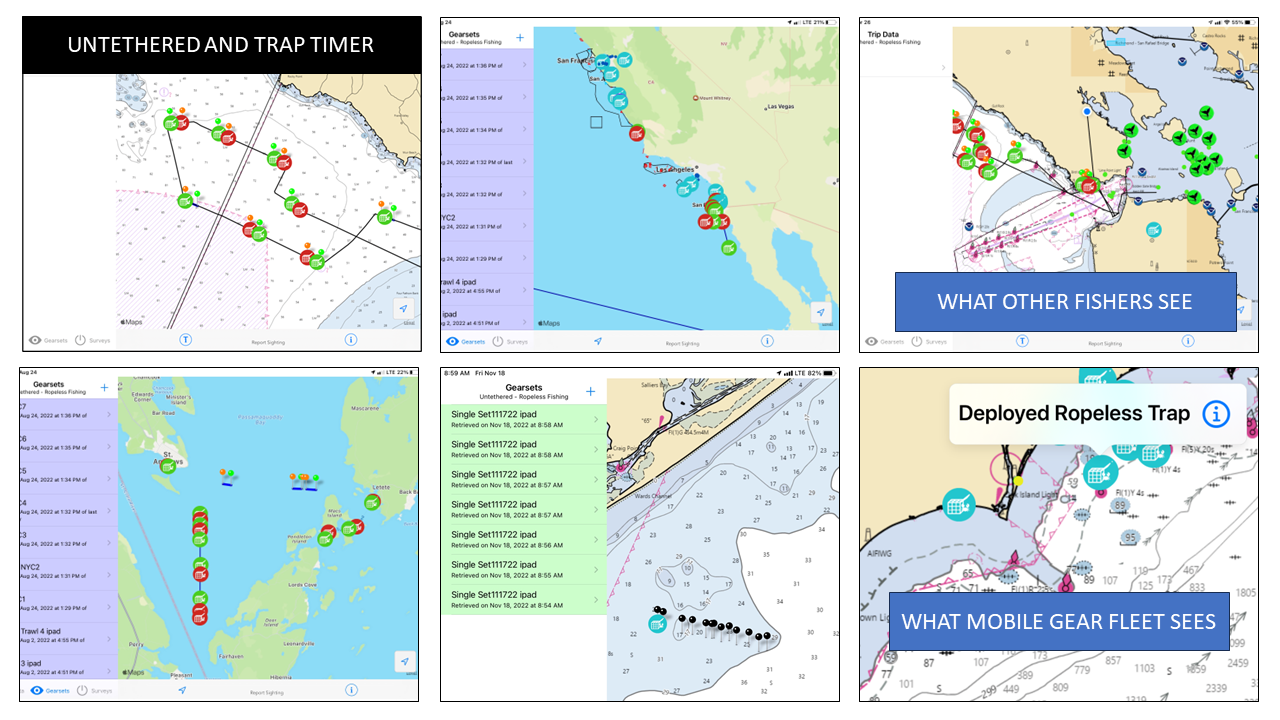
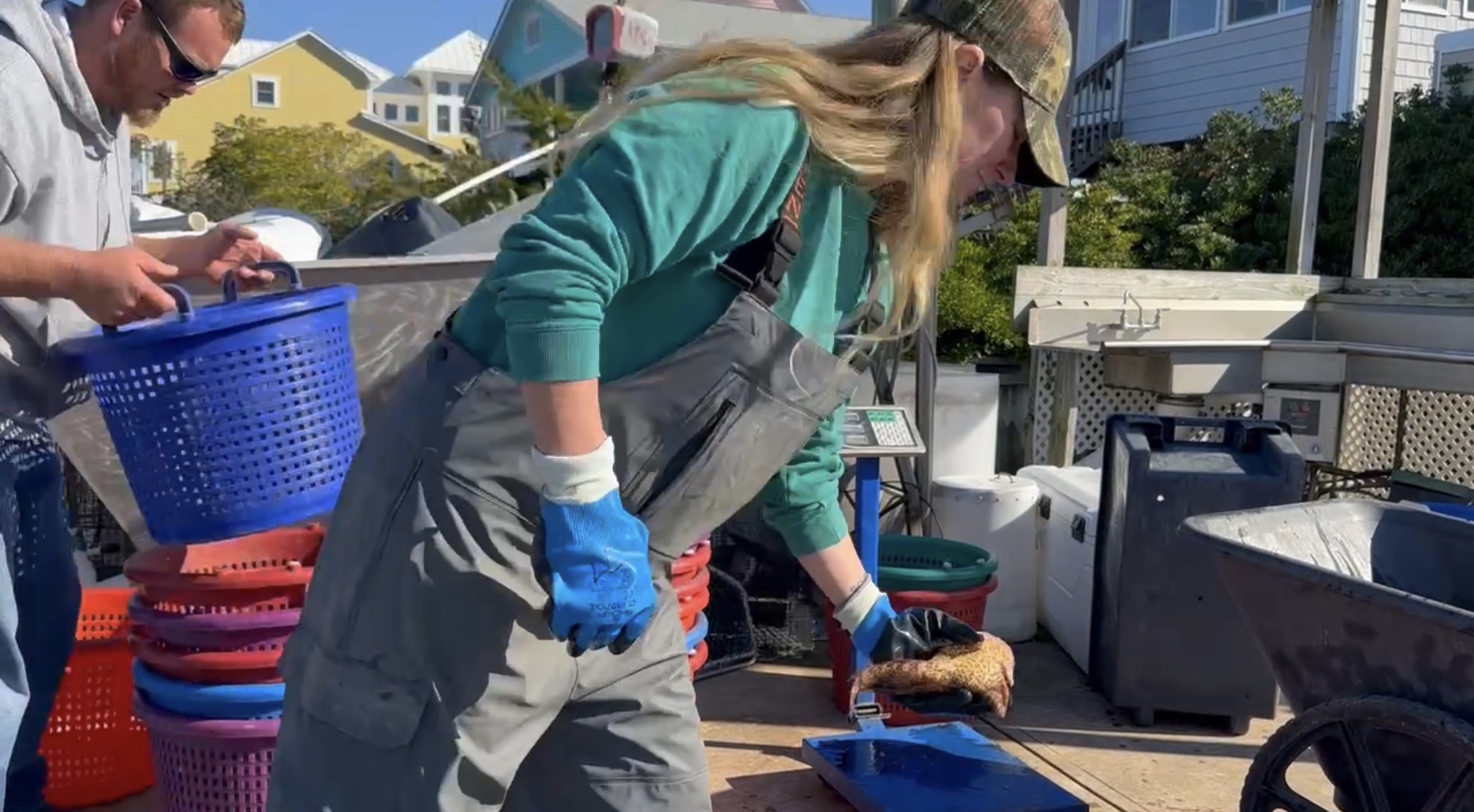
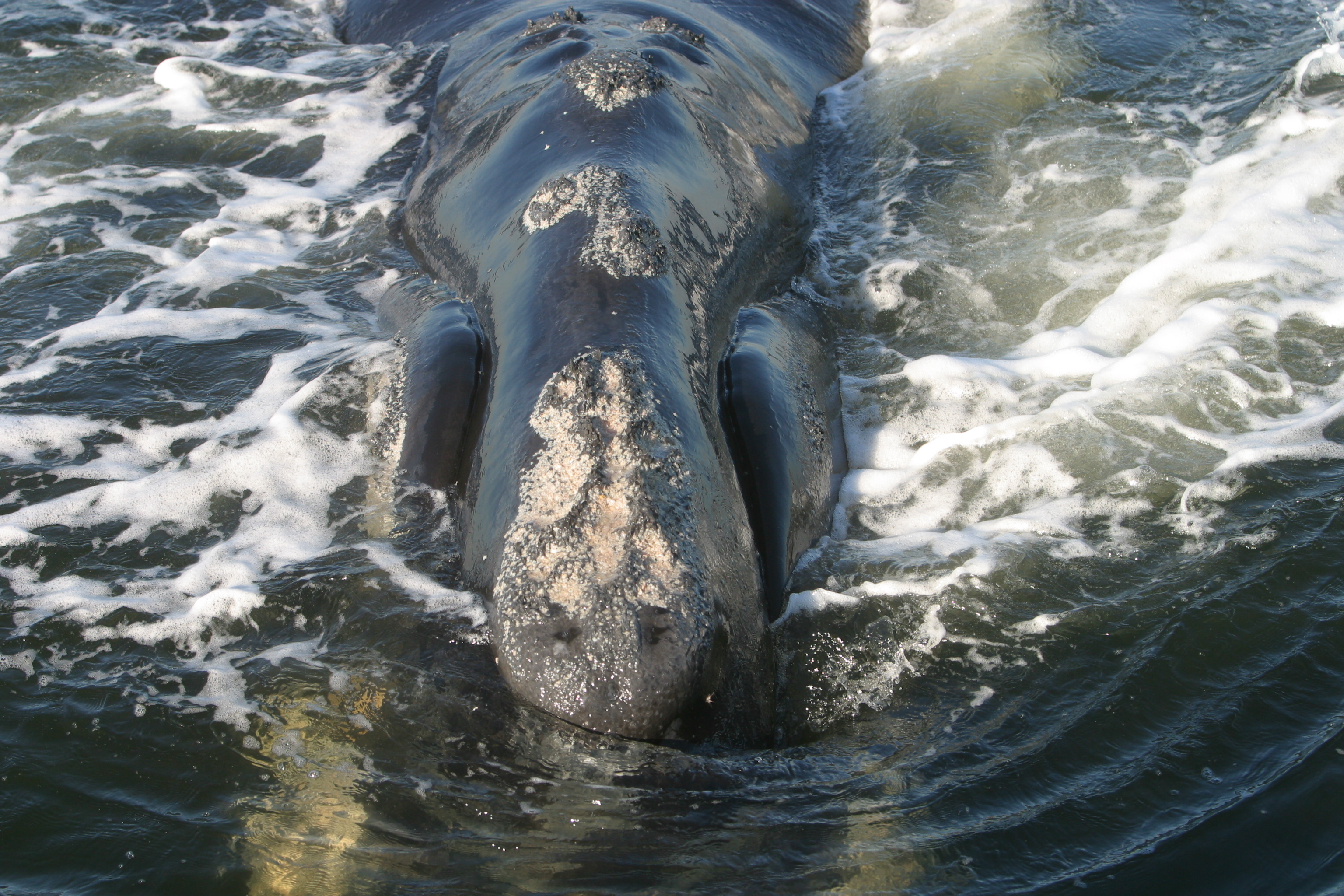
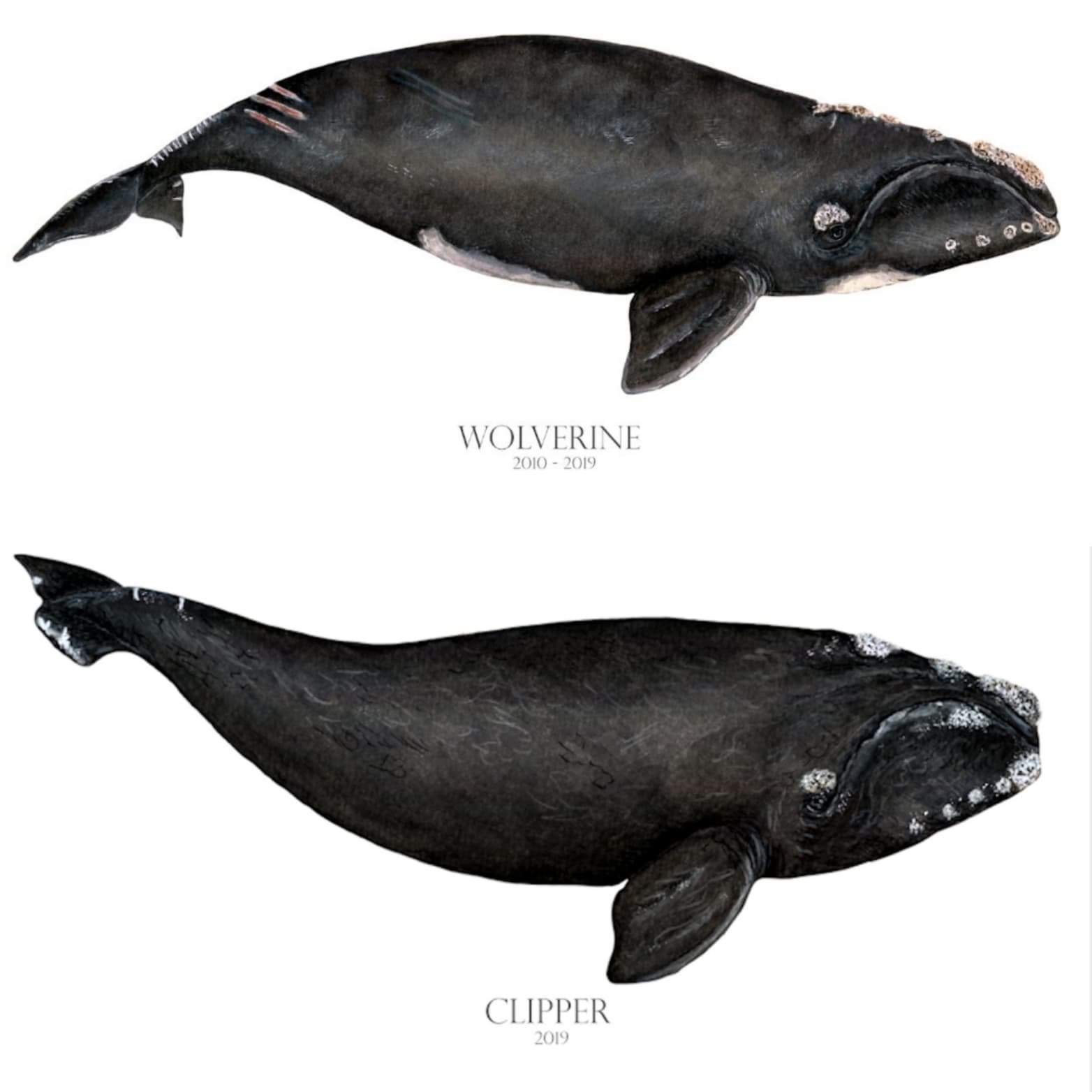
With the Northeast poised to begin testing a large variety of ropeless fishing gear, I want to offer my insights on an editorial that has been bothering me for some time. The National Fisherman Viewpoints titled, “Why Everything You’ve Heard About ‘Ropeless’ Crab Fishing is False,” authored by Ben Platt and Kristan Porter in 2020, presents several assertions which are not factually accurate and set a gear type designed to help fishermen up as “hopeless” not just on two North American coasts, but globally. These authors, whose audiences rely on them for guidance amidst challenging regulatory shifts in their fisheries, need to prioritize thorough fact-checking. In response, I offer insights from my global experience as a part-time fisher and an independent researcher in developing these technologies, emphasizing how this innovative approach could address issues like entanglements, gear loss, ghost fishing, and marine debris.

This response challenges assertions made by Platt and Porter. They overlook significant achievements in whale conservation and cast doubt on the conservation community’s efforts and studies showing that marine entanglements are a major threat to large whale populations. These views contradict the collaborative efforts of scientists and fishers in mitigating such threats.
Social media and government reports have documented numerous whale injuries and deaths due to fishing gear, reflecting the broad impact of this issue. Fishers on the East Coast have faced numerous (30+) regulatory changes, highlighting the ongoing struggle between fishing practices and marine conservation. Despite these challenges, the discussion always returns to the central issue: vertical lines and buoys in pot/trap fishing are a major cause of gear loss.
For over fifty years, diverse groups including fishers, engineers, and conservationists have strived to modernize pot and trap fisheries with advanced line and buoy management systems. These innovations not only aim to reduce entanglements but also prevent the ecological and community damage caused by lost fishing gear. Trials of these new systems show a near-perfect recovery rate, far surpassing traditional methods.
Regulations now permit ropeless fishing, and many fishers have independently explored these innovations, motivated by stewardship and positive change. However, advocating for such changes can be challenging due to opposition from influential groups.
Fortunately, these pioneering fishers are not alone. The promotion of ropeless gear represents the ongoing collaboration between scientists, engineers, and the fishing industry to protect marine life and enhance fishing practices. The future of fishing depends on this collaborative spirit, emphasizing the need for fishers to have access to accurate and timely information.
-KS, December 2023
The eight points, as outlined by the authors, follow.
- “Ropeless” gear is…actually dangerous…still has ropes…make it seem harmless…
As an independent researcher, I agree that the term “ropeless” is misleading when describing all of the different devices. I prefer the terms “Subsea Buoy Retrieval Systems” (SBRS) or “Acoustic Subsea Buoy Retrieval Systems” (ASBRS). I disagree wholeheartedly that the gear is in any way more dangerous than traditional pot or trap endlines and would invite the authors to offer evidence or examples to support this claim.
2. “The gear they are pushing all have buoy lines packed on top of the trap with an acoustic release trigger that in theory allows the buoy to go to the surface when activated.”
Only one company’s acoustic style of gear, and to date, only four total rigs (one GTR, two time/date, one acoustic) that we know of have utilized a “buoy line packed on top of the trap, which was the rope management method recommended and preferred by the West Coast lobster and crab fishers working with the gear, as it more closely resembles the way they fish currently. This work has been well documented and can be viewed in action here.

There are unlimited options for storing these lines above or next to traps, including galvanic time releases, time/date releases, and acoustic releases. Fishermen can configure these releases in various ways with bags, cages, traps, and spools, which are known as “rope management methods.” There exist applications for patents for dozens of similar devices dating back as early as the 1950s; anyone interested can browse several of those here.
Additionally, three manufacturers have fully ropeless systems in development that utilize inflatable bags or buoys as the lifting method for bringing the traps to the surface.
There are at least thirteen different products from at least ten different manufacturers available to fishers several at the cost of fewer than two dollars per trap over the lifetime of the trap.
We would invite Mr. Platt and Mr. Porter to show us the studies they used to make this claim, and further, be specific in naming both the gear they are referring to, as well as describing the training received by the group or fisher participating in the testing. Our independent testing and review of past trials show a greater than 99.4% success rate when gear is handled by properly trained and experienced personnel, and further, highlight the importance of fisher input and expertise in making the gear more adaptable (and profitable) for those wishing to fish an ASBRS or a SBRS.
When performing reliability testing of these devices, it is important to remember that we are not testing how good fishermen are at USING the gear, but merely, how reliable the gear is at returning the pots to the fishermen. This also includes the control gear that is essential in any good research project. It is also important to understand the number of deployments needed to have statistical significance of results. Simply put, a sample size of at least 45 gear deployments must be gathered before any results can be taken seriously. This means that casual demonstrations and poorly designed research projects don’t count toward the actual reliability of the devices themselves. In fact, much of the past work that has been done has merely measured how “good” people were at using the devices.
Simply Put: You can’t judge the reliability of a car by how good someone is at driving it.
The claimed 20% failure rate of ropeless gear lacks substantiation. Our independent tests show a success rate between 99.4% and 99.99% with properly trained personnel operating the gear. A comprehensive approach involving numerous deployments and control gear is necessary to accurately assess reliability, separate from user proficiency.
4. “Testing of this gear has revealed many operational issues for the East Coast lobster fishery — which has thousands of small independent fishermen.”
We have found this to be true in all initial trials; however, we have also seen that motivated fishers can work out nearly all of these operational issues very quickly. Manufacturers have responded to all the concerns posed by those fishermen working with them collaboratively, made adaptations to the gears, and created special gear marking apps and programs. Further, the manufacturers have worked together (even though they are competitors) to help create interoperable and low-cost methods for fixed-gear fisheries and mobile-gear fisheries to avoid potential gear interactions that could occur as a result of fishing without a surface buoy.
Laying over, dragging, and vandalism remain top causes of gear loss in most pot and trap fisheries, even with visible marker buoys. Surface buoys create easy access for those wishing to poach traps and cut the lines of competitors. Buoys at the sea surface are also significantly prone to vessel, sea, weather interactions. These interactions have a cost for fishers, the most valuable of which is lost time; all these interactions could be eliminated by storing these buoys and lines at depth.
5. “Ropeless gear is costly…the pop-up “ropeless” gear will cost as much as $2,500 per trap. That means for a 500-trap tier operation to adapt an existing gear allotment to 100 percent pop-up gear, it would cost between $360,000 to $1.25 million.”
We believe that fishers should be offered the option to choose which gear style works for them and their type of fishing, as long as it is reliable and affordable for them to do so. Given the wide variety of available products and products in development, the statement that the cost would be as much as $2500 per trap is misleading. As many gears have not yet been supported enough to be manufactured en masse, they are assembled by hand; this can be quite costly. Some manufacturers have engineered their devices to allow fishers to build much of the needed gear on their own to help reduce these costs. The ability to mass manufacture these devices will allow the price per unit to drop significantly. Research on the manufacturing process and supply chain management is underway to support this goal. Additionally, this claim of $2500 per trap fails to recognize the many alternatives available that currently cost a tenth, a hundredth, or even a thousandth of the gear they describe.
6. Ropeless gear is “unmanageably slow and prone to be lost at sea… It would make profit impossible.”
This gear has been trialed as well as actively fished by fishers globally. In Kristan Porter’s own words, he “learned a lot about how acoustic and galvanic release technologies have been implemented to successfully fish sunken surface systems” during a trip to New South Wales in 2013. As is the case with all technology, these systems have benefitted from seven years of continued feedback from fishers, funding from government agencies to resolve some of the early refinement issues of ropeless, and ongoing commitment of researchers and manufacturers working collaboratively to adapt these tools for multiple fisheries all while reducing the cost of the devices. Steven Rosskelly, quite possibly the most experienced ropeless fisher in the world, who introduced Mr. Porter to the ropeless gear he has been “successfully” using since 2013, reported a zero percent fail rate of his acoustic gear in 2019. Further, he has shown, (with a statistically significant sample size) that speed and efficiency of handling this style of gear greatly improves over time. Smaller trials of these gears, with far-less experienced handlers, certainly will show a higher fail rate (caused almost exclusively by operator error) until proficiency with the gear is achieved. This is the case with nearly every new tool or technology used in any application.
7. “Ropeless does not save marine life…and importantly, it would make marine mammal interactions with lost gear more frequent, not less. “
There is no available data our group has found to support this claim, we would invite the authors to provide any evidence that gear which would store millions of vertical lines and buoys at depth presents an increased risk to marine mammals.
8. “The economics of converting to and maintaining this type of system are unsustainable.”
Our studies have shown that the cost of traditional vertical line and buoy fishing is unsustainable. The financial cost of lost gear and catch, marine debris removal programs, coastal clean-up programs to remove fishing gear debris from land, emergency responses for mariners and marine mammals alike combine to place a significant burden on both fishers, coastal communities, and taxpayers. Fishing with traditional endlines and buoys and using the very conservative figure of only 10% gear loss, the American Lobster fishery in Maine loses over 52 million dollars annually.
The environmental cost of fishing with these traditional systems negatively impacts benthic seabeds and important coral habitats and contributes significantly to ghost fishing. And finally, the very real and disturbing human cost of fishing with traditional endlines and buoys is evidenced by the many lives lost as a result of propeller fouling over vessels. Every year, there are fatal injuries sustained by those attempting to unfoul their vessel’s propellers, drownings due to the same, as well as drownings after capsizing or sinking of vessels being rendered without power due to a propeller entanglement in endlines. To suggest that ropeless fishing is more dangerous than traditional trap and buoy line fishing disregards the families of countless mariners and fishers who have died or nearly died due to propeller fouling incidents, end-line fishing accidents, and whale disentanglement efforts.
For more independently verified information about “Ropeless Fishing” please see our Sustainable Seas Blog or the Ropeless is Real Report.